
How to Protect Your Belongings from Kansas Humidity
What an insulated drive-up unit can and can’t do in a Kansas summer, and how to pack for it.
Every unit at Reno County Storage is a ground-level, drive-up unit with a roll-up door. The buildings are insulated. None of them are climate-controlled, at either the Hutchinson or the South Hutchinson location. That matters in a Kansas summer, so this guide starts with what the unit will and won’t do, then sorts your belongings into three groups: fine as they are, fine with extra packing, and better kept at home.
What Insulated Means, and What It Doesn’t
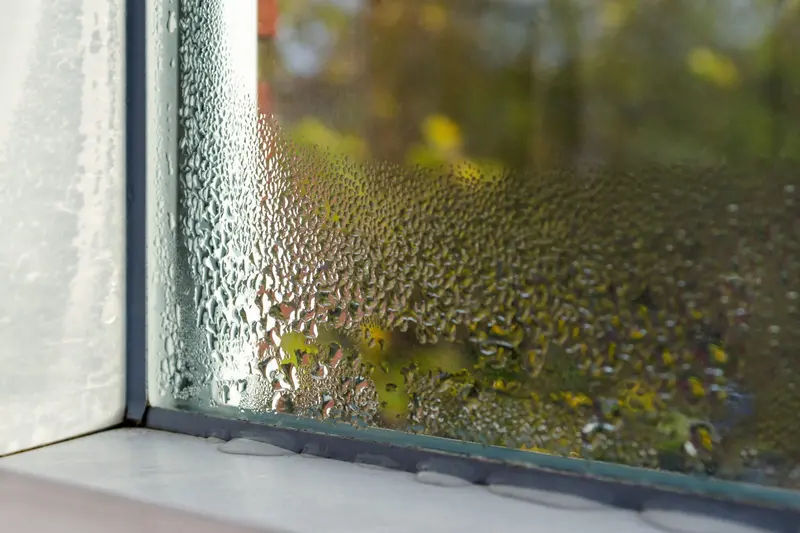
Insulation slows things down. The inside of the unit warms up later in the day than the outside air and cools off later at night, which takes the edge off the fastest temperature swings. Fast swings are what cause condensation, so that helps.
Insulation does not cool the air or dry it. There is no air conditioner and no dehumidifier. During a hot, humid stretch in July or August the unit will be hot, and the air inside will be about as damp as the air outside. In January it will be cold. Pack with that in mind and most household goods come through without trouble. If something you own needs a steady temperature and steady humidity all year, a drive-up unit is the wrong place for it, here or anywhere else. Our post on climate-controlled versus regular storage walks through that decision.
What Stores Fine Through a Hutchinson Summer
These need nothing special beyond being clean and dry when they go in:
- Metal and plastic patio furniture, grills without the propane cylinder, bikes and yard tools
- Dishes, cookware, glassware and other kitchen goods
- Holiday decorations in plastic totes, apart from candles
- Bed frames, metal shelving, filing cabinets and garage racks
- Plastic toys, sports gear, camping equipment and coolers
- Washers, dryers, refrigerators and freezers that have been drained, dried and left with the door propped open
What Needs Extra Care Before It Goes In
Wood furniture
Wood takes on moisture in summer and gives it up in winter, and that movement loosens joints and lifts veneer over time. Clean each piece, let it dry, then wax or polish it. Pull drawers out an inch so they can’t swell shut. Cover with a cotton sheet or a moving blanket. Skip plastic wrap, which holds damp air against the finish.
Mattresses, sofas and clothing
Mildew starts in fabric, and it nearly always starts with something that went in damp. Wash and fully dry clothing and bedding. Vacuum upholstery. Pack clothing in lidded plastic totes instead of cardboard, with a few silica gel packets in each one. If a sofa got rained on during the move, let it dry at home before it goes into the unit.
Electronics
Heat is hard on screens and batteries, and condensation is hard on circuit boards. Take the batteries out of everything. Box each item with padding and a silica gel packet, keep the boxes off the floor, and let a TV or computer sit at room temperature for a few hours before you plug it back in. If losing it would hurt, keep it at home.
Tools and anything steel
Bare steel rusts in humid air. Wipe hand tools, saw tables and cast iron with a light coat of oil, and drain the fuel from mowers and trimmers before they go in.
What Shouldn’t Go in a Drive-Up Unit at All
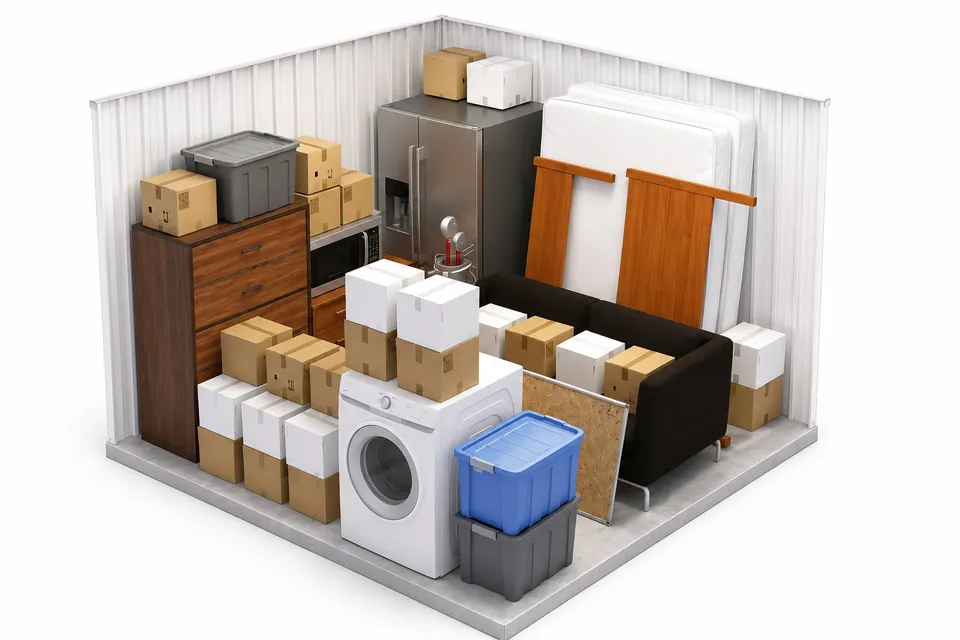
Some things are damaged by heat or humidity no matter how well you pack them:
- Original photographs, negatives and family papers you can’t replace
- Vinyl records, tapes and film
- Oil paintings and other artwork on canvas or paper
- Pianos, guitars, violins and other wooden instruments
- Antiques and fine furniture with old glue joints or veneer
- Furs and fine leather
- Candles, cosmetics, medicine and wine
- Food of any kind, which also draws rodents
Several of those are also on the list of items the tenant protection plan will not pay for: antiques, furs, documents and records, along with jewelry, firearms and cash. If the plan won’t cover it and the summer can ruin it, it belongs at home or in a safe deposit box.
Five Habits That Keep a Unit Dry
- Get everything off the concrete. A slab stays cooler than the air and can sweat in humid weather. Pallets or a layer of lumber under boxes and furniture keep the bottom row dry.
- Leave a gap along the walls. A hand’s width between your things and the metal walls lets air move and keeps fabric off a surface that changes temperature quickly.
- Use plastic totes for anything soft or made of paper. Cardboard soaks up moisture and sags. Save it for dishes and hard goods, and keep the stacks short.
- Set out moisture absorbers. Two calcium chloride tubs, one near the door and one at the back, pull water out of the air. They fill faster in summer, so empty or replace them on each visit.
- Pick your loading day. Load on a dry day if you can, and don’t leave the door open through a thunderstorm. Whatever moisture you close the door on stays in there with your things.
Then look in on the unit every month or two through the summer. Open the door, smell for mustiness, feel the bottoms of any cardboard boxes and swap the absorbers.
What the Tenant Protection Plan Does About Water
The optional tenant protection plan, administered by SafeLease, covers water damage to your stored property, and that coverage includes mold and mildew. Coverage levels are $2,000, $3,000 or $5,000 with a $100 deductible per claim, and some coverages carry additional limits.
It does not cover flood or surface water. That is one more reason to keep everything up on pallets. The plan is billed with your rent, you can cancel it any time, and the price is shown when you rent. Your homeowners or renters policy may already cover some property kept away from home, so check its off-premises limit and deductible before you decide.
Frequently Asked Questions
Are the storage units at Reno County Storage climate-controlled?
No. Every unit at both the Hutchinson and South Hutchinson locations is an insulated, ground-level drive-up unit with a roll-up door. Insulation slows temperature swings, but it does not cool, heat or dehumidify the unit. Plan your packing around summer heat and humidity and winter cold.
Will my furniture get moldy in a storage unit in Kansas?
It can if it goes in damp, sits on bare concrete or is wrapped in plastic. Furniture that is clean, fully dry, raised on pallets and covered with cotton sheets or moving blankets generally comes through a Kansas summer in good shape. Add moisture absorbers and check the unit every month or two in summer.
Does tenant protection cover mold and mildew in a storage unit?
The SafeLease tenant protection plan offered at Reno County Storage covers water damage, including mold and mildew, up to the coverage level you choose: $2,000, $3,000 or $5,000. There is a $100 deductible per claim and some coverages have additional limits. Flood and surface water are not covered.
What should not be stored in a storage unit without climate control?
Keep irreplaceable photographs and papers, vinyl records, artwork, wooden musical instruments, antiques, furs, candles, medicine, wine and food out of a drive-up unit. Heat and humidity damage these even when they are packed well. Electronics you can’t afford to lose are also better kept at home.
To work out a size once pallets and wall gaps are figured in, use the size guide, then check current sizes and rates at 2511 E 17th Ave in Hutchinson and 712 N Walnut St in South Hutchinson. If you have a question about a specific item, call or text (620) 662-7336.
More from the Blog
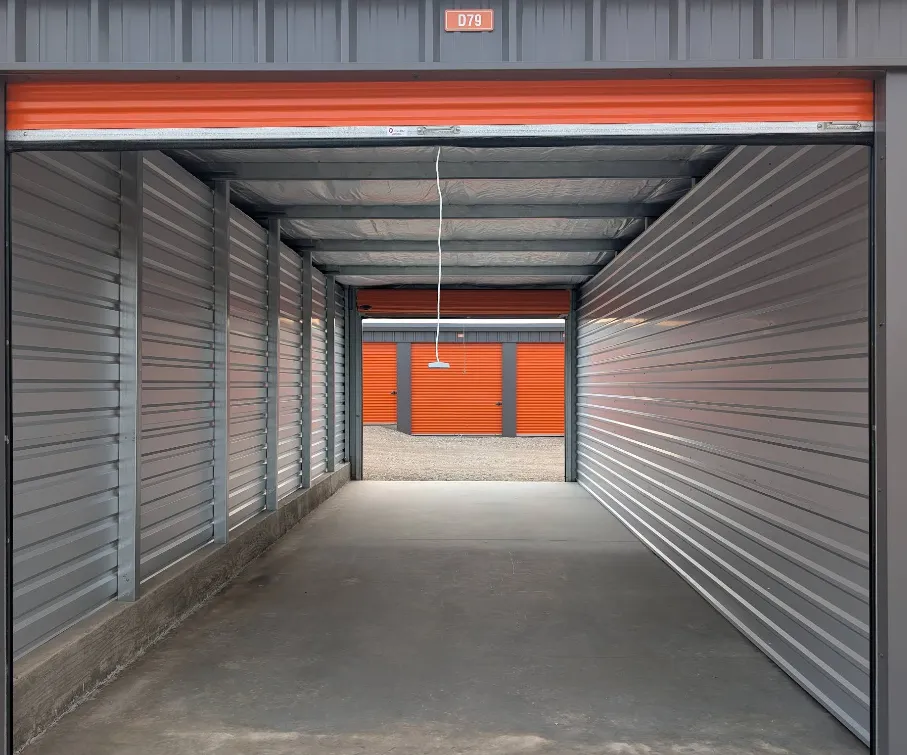
Climate Controlled vs. Regular Storage: Do You Really Need It?
When climate-controlled storage is worth the premium and when a standard drive-up unit is the smarter choice for your belongings.
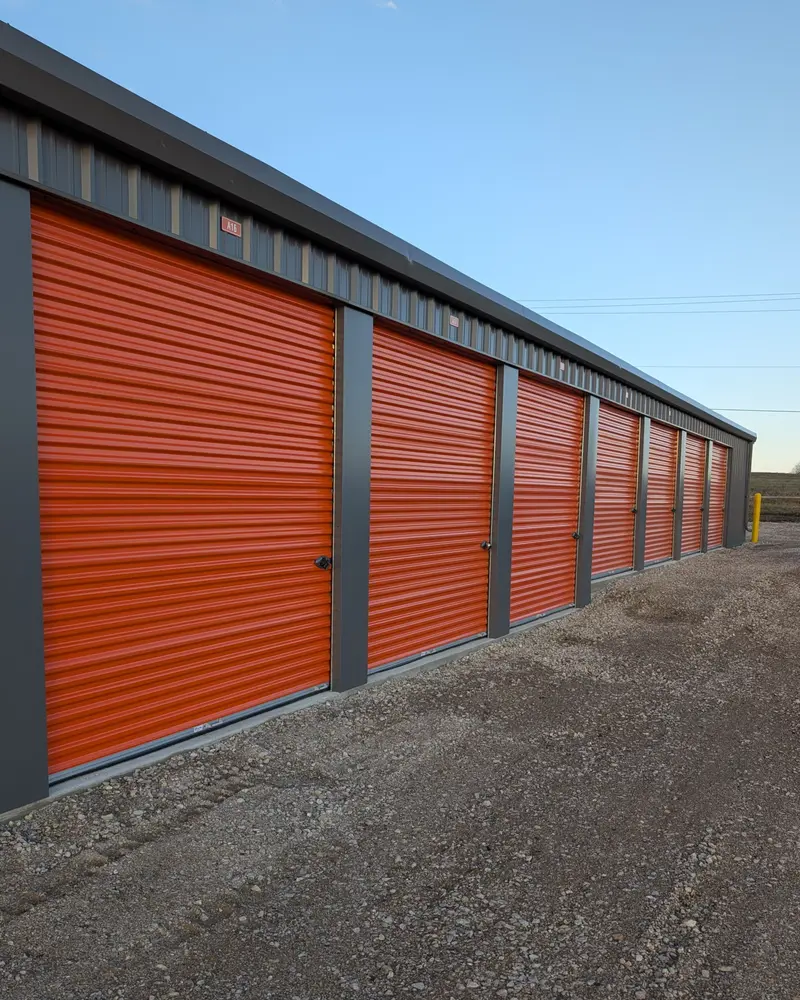
Tips for Storing Items Long-Term
Packing, pallets, layout, labels and a photo inventory for a unit you will keep a year or more.

Seasonal Storage Calendar: What to Store and When in Kansas
A month-by-month guide to rotating seasonal items in and out of storage. Keep your home clutter-free year-round.