
What Is Tenant Protection and Do You Need It?
What the plan at Reno County Storage covers, what it leaves out, and how to decide.
Tenant protection is an optional plan you can add to a unit at Reno County Storage. If what you store is damaged or stolen in one of the ways the plan lists, it pays you up to the limit you chose. SafeLease administers it, the charge appears with your monthly rent, and you can drop it whenever you like. This guide covers what it pays for, the two exclusions that surprise people, and how to work out whether you need it.
The Plan at a Glance
- Coverage levels: $2,000, $3,000 or $5,000. You choose one when you rent.
- Deductible: $100 per claim, the same at every level.
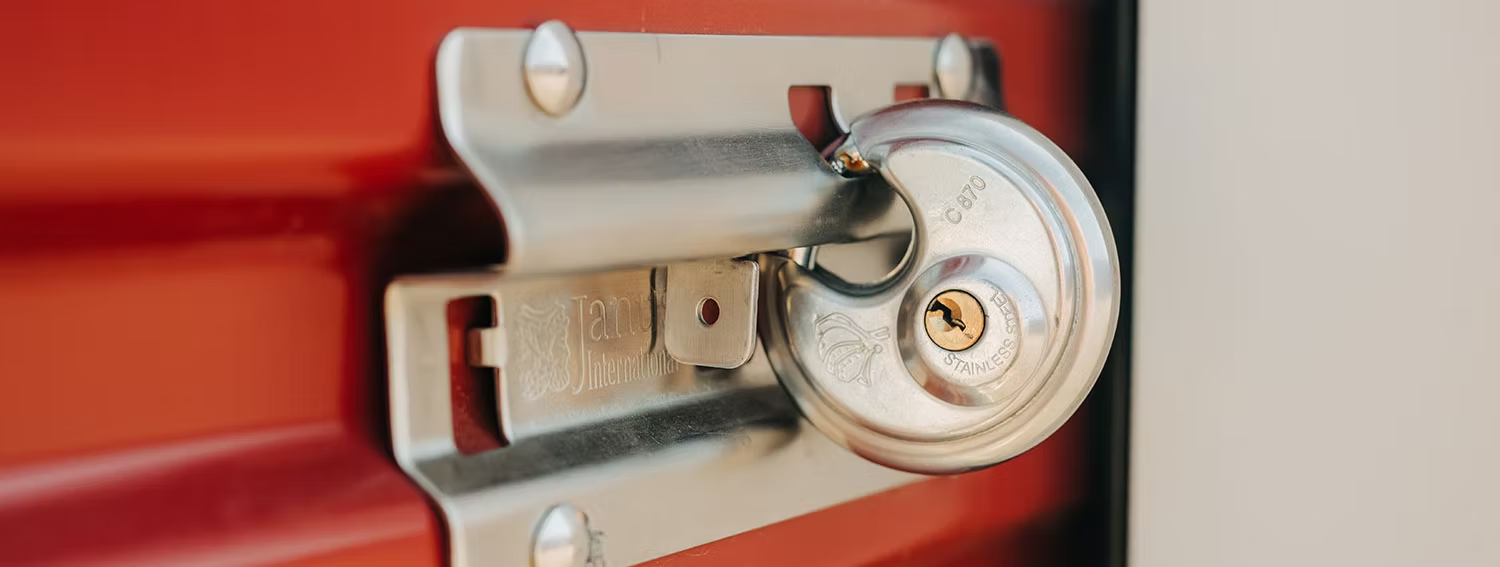
- Burglary claims: the deductible is waived if the unit was secured with a cylinder or disc padlock. The free lock that comes with your unit is not a cylinder or disc lock, so fit your own if you want the deductible waived.
- Term: month-to-month, the same as the unit. Cancel any time.
- Required to rent: no, at either location.
The monthly price for each level is shown when you rent online. If you want the number before you start, call (620) 662-7336.
Covered Causes of Loss
The plan names the events it responds to. If the cause isn’t on this list, assume it isn’t covered.
- Burglary. Someone forces their way into the unit. A police report is required.
- Fire.
- Water damage, including mold and mildew.
- Building collapse, including collapse from the weight of snow or ice or from windstorm.
- Rodent and vermin damage.
- Vandalism.
- Damage to a stored vehicle, boat or trailer.
Some of these carry their own additional limits, so read the plan summary on the tenant protection page before you count on a particular figure. The list does line up with a Reno County year: thunderstorms with high wind in spring and summer, snow and ice in winter, and mice looking for shelter once it turns cold.
Two Exclusions to Understand Before You Add It
Flood and surface water
Water damage is covered. Flood is not. The plan excludes flood and surface water, which means water that rises or runs across the ground and into a unit. The Arkansas River runs between Hutchinson and South Hutchinson, and a Kansas thunderstorm can put a lot of rain on the ground in a short time, so don’t treat this plan as flood cover. Lower the exposure yourself: set boxes on pallets or shelving instead of bare concrete, use plastic totes for the bottom layer, and keep anything that can’t get wet up high.
Mysterious disappearance
If something is missing and there is no sign of forced entry, the plan doesn’t pay. Burglary cover depends on evidence that someone broke in. So lock the unit every time you leave, don’t hand your key to anyone you wouldn’t trust with the contents, and keep a photo inventory so you know exactly what was inside.
Property the Plan Won’t Cover at Any Level
These items are excluded outright. A storage unit is the wrong place for them, with or without a plan:
- Cash, documents, records and securities
- Jewelry, watches, precious stones and metals
- Firearms
- Antiques and furs
- Valuable papers and electronic data
- Aircraft, animals and contraband
Two of those catch people out. An antique dresser sitting among ordinary furniture is still an antique. And a computer’s files are electronic data, so back the machine up before you box it.
How to Pick Between $2,000, $3,000 and $5,000
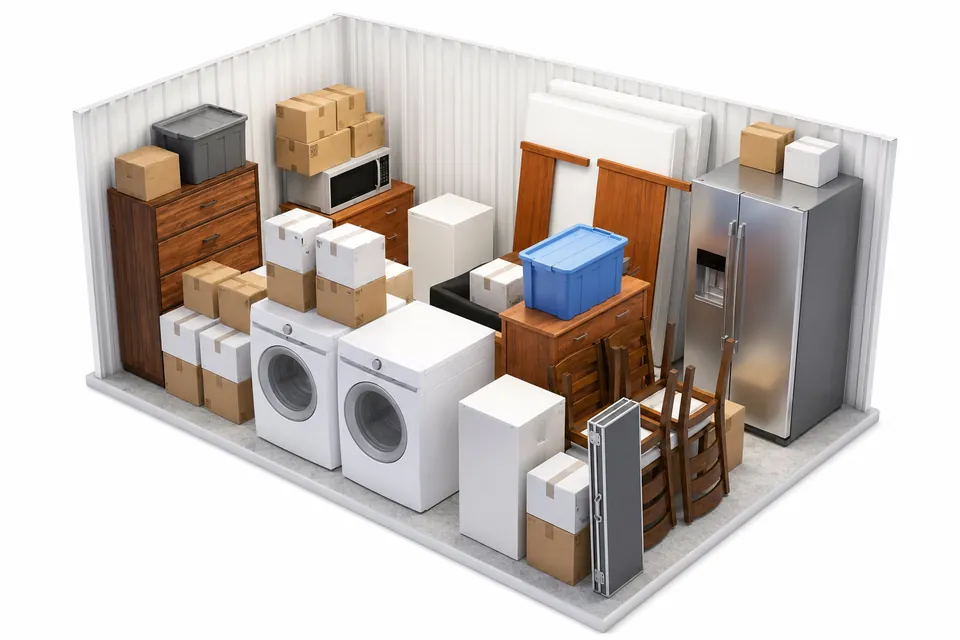
Choose by replacement cost, not by the size of the unit. List the big things going in: mattresses, sofa, washer and dryer, tools, a TV. Look up what each would cost to buy again today and add it up. Then take the lowest level that sits at or above your total.
If your total is well past $5,000, which can happen when a 10×15 or 10×20 holds a whole household, the plan stops at $5,000. Anything above that is on you unless another policy picks it up. The same goes for a vehicle, boat or trailer: damage is a covered cause, but ask about the additional limits before you rely on it for something expensive.
Check the Policy You Already Have
Homeowners and renters policies often extend some cover to belongings kept away from home, so this plan can duplicate what you already pay for. Before you decide, call your agent and ask three things:
- Does my policy cover property kept in a self storage unit?
- What is the off-premises limit?
- What deductible applies?
If your own policy covers storage with a limit that fits and a deductible you could absorb, you may not need the plan. If the limit is low, the deductible is high, or you would rather keep a storage claim off your home policy, a $100 deductible plan is the simpler route.
You can reasonably skip it for a few boxes of clothes and holiday decorations you could replace out of pocket. It earns its place when the unit holds furniture and appliances, a shop’s worth of tools, or most of a household parked there during a move or a renovation.
Filing a Claim With SafeLease
- Photograph first. Take pictures of the door, the lock and the damage before you move anything.
- Stop it getting worse. Protect what is left from further damage.
- Keep the evidence. Hold on to the lock and the damaged items.
- Call the police for a break-in. Report it and get a copy of the report.
- Prove the value. Gather receipts or photos of what you lost.
- File online at safelease.com/claims. Have your unit number, the facility address (2511 E 17th Ave, Hutchinson or 712 N Walnut St, South Hutchinson), your mailing address, the date and time, and a description of what happened.
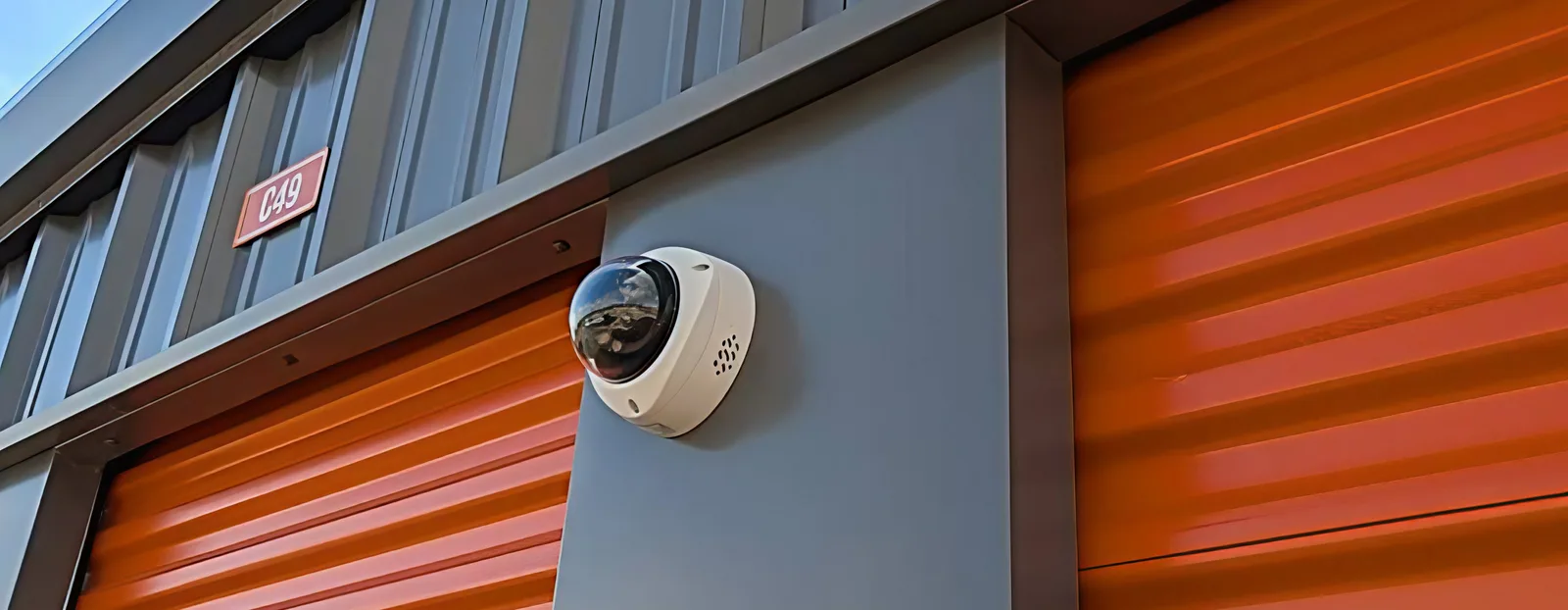
Let us know as well. Both locations have cameras recording around the clock, and our team can review the footage. The details of that system are in our guide to storage facility security.
Frequently Asked Questions
Does tenant protection cover flood damage in a storage unit?
No. The plan at Reno County Storage covers water damage, including mold and mildew, but it excludes flood and surface water. Keep boxes off the floor on pallets or shelving, and check whether any policy of your own would respond to a flood.
How much coverage can I get on a storage unit at Reno County Storage?
You can choose $2,000, $3,000 or $5,000 of coverage. Pick the level closest to what it would cost to replace everything in the unit. $5,000 is the highest level offered, and some types of loss have additional limits.
What is the deductible on a storage unit tenant protection plan?
At Reno County Storage the deductible is $100 per claim at every coverage level. It is waived on burglary claims when the unit was secured with a cylinder or disc padlock. The free lock that comes with your unit is not a cylinder or disc lock, so fit your own if you want the deductible waived.
Is tenant protection required to rent a storage unit in Hutchinson, KS?
No. Tenant protection is optional at both the Hutchinson and South Hutchinson locations. If you add it, it is billed with your monthly rent and you can cancel at any time.
Does homeowners insurance cover belongings in a storage unit?
It depends on the policy. Many homeowners and renters policies extend some cover to property kept away from home, but limits and deductibles vary. Ask your agent for the off-premises limit and deductible before you decide whether a storage plan would duplicate it.
The full plan summary is on the tenant protection page, and the FAQ answers common rental questions. For anything else, call or text (620) 662-7336. Phone hours are Monday to Saturday 9am to 6pm and Sunday noon to 4pm.
More from the Blog
Why Storage Facility Security Matters
What good cameras, lighting, fencing and locks look like, and what each of our locations has.
5 Things People Forget When Renting a Storage Unit
Avoid common mistakes with these practical storage tips for first-time renters.
Tips for Storing Items Long-Term
Packing, pallets, layout, labels and a photo inventory for a unit you will keep a year or more.